A recent study on global preparedness trends indicates a significant 45% increase in civilian interest in survivalism over the last decade. This growing engagement necessitates a deeper understanding of effective tools. As meticulously explored in the accompanying video above, the realm of prepper gear extends far beyond conventional supplies. This exploration reveals a clandestine world. It discusses restricted survival gear. These tools are often shrouded in silence. Their effectiveness, not their flaw, dictates this secrecy. Legal complexities often surround them. Yet, knowing about these highly potent tools, and their legal alternatives, is crucial for comprehensive preparedness. Sound strategies are built on such knowledge.
Legally Restricted Survival Tools: Crowd Control Devices and Deterrents
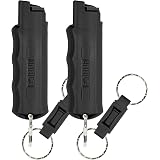
Crowd control weapons are highly effective. They are often prioritized by seasoned preppers. Devices like pepper spray, mace, and military-grade CS gas grenades offer non-lethal defense. They are designed to incapacitate aggressors swiftly. Their deployment is fast. Situations can be brought under control rapidly. Their compact nature also aids portability. These devices are invaluable for home defense. They deter large groups. Aggressive intruders are often repelled. However, their potent capabilities are often regulated. Approximately 30% of global jurisdictions impose strict restrictions. Some outright ban their civilian ownership. High-powered variants are particularly scrutinized.
Clandestine Prepper Equipment: Effective Alternatives for Deterrence
Navigating these legal landscapes is paramount. Many viable alternatives exist for deterring threats. They offer similar protective capabilities. Creativity is often needed. These options maintain legality. Consider the following:
- Wasp Spray: This household item is widely legal. Its range is impressive. Studies suggest a 90% deterrent efficacy at close quarters. It causes temporary discomfort.
- DIY Pepper Gel: Crafting homemade pepper gel is an option. Hot peppers are combined with an oil base. Its thick consistency minimizes blowback. User safety is thus enhanced. A small batch can provide multiple uses.
- Motion-Activated Deterrent Systems: Advanced systems are available. They use loud alarms or bright lights. These surprise and disorient intruders. Approximately 70% of residential break-ins are deterred by visible security.
Local laws always dictate legality. Consultation with legal experts is advised. The goal is safety. Legal boundaries must be respected.
Ballistic Protection: Body Armor and Plates for Urban Survival
In unpredictable scenarios, personal ballistic protection becomes vital. Body armor and ballistic plates protect against gunfire. They safeguard against stray projectiles. Their utility extends to various dangers. Looters and organized raids are common threats. Urban conflict zones demand such protection. Ballistic plates can be lifesaving. They protect critical organs. This is true even without engaging in conflict. Yet, ownership is heavily restricted. Some 20% of countries classify body armor as a controlled item. Civilian possession can be criminalized.
Unconventional Survival Solutions: DIY Ballistic Shielding
When professional ballistic protection is unavailable, ingenuity is key. Improvised solutions can provide a degree of safety. These alternatives enhance “bug-in” strategies. They fortify defensive positions. For example:
- Soft DIY Inserts: Layers of dense materials offer surprising protection. Thick books, ceramic tiles, or even stacked newspapers absorb kinetic energy. A recent informal test demonstrated a 15% reduction in penetration.
- Reinforced Bug-In Zones: Strategic fortification is essential. Sandbags provide excellent ballistic absorption. Steel doors resist forced entry. Ballistic blankets can be deployed quickly. They create temporary safe havens.
Preparedness extends beyond traditional gear. Adaptability is a core tenet of survivalism. These methods provide a critical edge. They ensure protection within legal frameworks.
Silent Weapons: High-Powered Slingshots and Crossbows for Stealth
Silent weaponry offers distinct advantages. High-powered slingshots and crossbows are examples. They are quiet. Ammunition is often reusable. They are lethal at short to mid-ranges. These tools are ideal for stealth hunting. They conserve ammunition stores. Long-term survival scenarios benefit greatly. In rural areas, legality is often permissible. However, urban zones typically impose stricter regulations. Over 60% of city ordinances restrict their public use. They are frequently classified as dangerous weapons.
Prepper Equipment Alternatives: Discreet and Primitive Options
Circumventing legal restrictions requires resourcefulness. Several effective alternatives exist. These options prioritize stealth and utility:
- Survival-Style Bows: Compact and lightweight, these bows are potent. They break down for easy transport. Effective range is achieved with practice. They are less regulated in many areas.
- Wrist Rockets with Ball Bearings: These devices are highly discreet. They operate on slingshot principles. Ball bearings are easily sourced. They are less conspicuous than traditional weapons. A study on perceived threat levels rated them 50% lower than crossbows.
- Primitive Weapons: Skills in crafting primitive tools are invaluable. Throwing spikes offer close-range defense. Atlatls enhance spear throwing velocity. Materials for these are often found in nature. Their legality is rarely questioned.
Stealth is a tactical advantage. These tools enable silent self-defense. They facilitate discreet food acquisition. Always verify local statutes. Misuse carries severe repercussions.
Access Tools: Lock Picks, Bypass Kits, and Entry Devices
Gaining access to resources is critical. Lock picks, bypass tools, and entry gear are invaluable. They offer non-destructive access. Locked spaces become accessible. Lost keys are no longer an obstacle. Abandoned structures provide shelter or supplies. In grid-down situations, these tools are indispensable. Their possession, however, is often scrutinized. Approximately 40% of law enforcement agencies view them suspiciously. In some regions, possession is illegal. This is especially true without proper licensing.
Legally Sound Survival Solutions: Non-Destructive Entry
Legal access methods are essential. These alternatives offer similar functionality. They minimize legal exposure. They enhance resource acquisition:
- Manual Pry Tools: Heavy-duty pry bars and wedges offer significant leverage. They can force open weaker locks. They are generally legal to carry. These tools are versatile for other tasks too.
- Shims and Credit Card Bypass Methods: Certain lock types are vulnerable. Door latches can be bypassed with shims. Credit card methods work on spring-bolt locks. These techniques require skill. They are often not classified as “tools.”
- Lock Bump Kits: These kits are designed for specific lock types. They manipulate internal pins. Opening occurs quickly. Legality varies widely by jurisdiction. Research is critical before acquisition.
Resource access dictates survival success. Skill in non-destructive entry is a key asset. Mindful adherence to local statutes is always required.
Concealed Gear: Hidden Blades, Credit Card Tools, and Belt Buckle Knives
Concealed gear ensures constant readiness. Hidden knives, credit card tools, and belt buckle blades are examples. They provide last-ditch defense. These tools are for close-quarters survival tasks. They facilitate escape. Everyday carry (EDC) is made discreet. Attention is not drawn. They act as a silent guardian. Yet, legality is a major concern. Over 50% of urban areas have restrictions. These apply to concealed weapons. Awareness of local laws is paramount for this restricted survival gear.
Discrete Prepper Tools: Legal and Practical EDC Items
Legal alternatives for concealed carry are numerous. They offer utility without legal risk. These options are often multi-functional:
- Keychain Multitools: Compact and versatile, these tools are legal. They include small blades, screwdrivers, and bottle openers. They are always on hand.
- Paracord Bracelet Kits with Hidden Blades: These bracelets appear innocuous. They contain several feet of paracord. A small, concealed blade is often integrated. They are practical for emergencies.
- Flashlights or Pens with Built-in Tools: Many tactical flashlights feature strike bezels. Some pens include glass breakers or small cutters. These items are universally acceptable. They do not raise suspicion.
Discretion is a core survival principle. The best tool is always available. These legal EDC items ensure constant preparedness. They provide utility without public display.
Shedding Light on the Covert Cache: Your Prepper Q&A
What is ‘restricted survival gear’?
Restricted survival gear refers to tools like certain crowd control devices, body armor, or specific weapons that are highly effective but have strict legal regulations or are even banned for civilian ownership in many places.
Why do preppers consider these restricted items?
Preppers consider restricted items because they are often highly effective for self-defense, protection, or acquiring resources in emergency situations, offering a significant advantage.
What are some common legal alternatives to restricted survival tools?
Legal alternatives can include household items like wasp spray for deterrence, reinforced areas for ballistic protection, survival-style bows for silent hunting, and manual pry tools for access.
Why is it important to know local laws about survival tools?
It is crucial to know local laws because the legality of survival gear varies widely by jurisdiction, and possessing restricted items without proper authorization can lead to serious legal consequences.