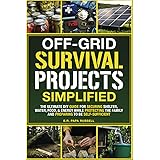
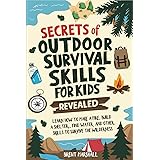
Building a robust personal library of survival and preparedness books is one of the most proactive steps that can be taken toward securing one’s future resilience. As highlighted in the accompanying video, the value of physical, tangible knowledge cannot be overstated when digital resources become inaccessible. Essential information for navigating unexpected challenges is often found within these pages.
The pursuit of self-reliance is significantly supported by a collection of well-chosen reference materials. These resources are not merely books to be read once; rather, they are critical guides intended for frequent consultation. Many aspects of survival, from medical emergencies to psychological resilience, are comprehensively addressed in this literature.
Essential Preparedness Literature: Building a Survival Library
A comprehensive approach to preparedness necessitates a diverse range of knowledge. This includes fundamental practical skills as well as crucial insights into human psychology and philosophical strength. The selection of survival and preparedness books should ideally cover multiple domains.
Imagine if a widespread power outage occurred, rendering smartphones and internet searches useless. Physical books become invaluable in such scenarios, offering immediate access to vital instructions and information. Investing in these foundational texts is, therefore, an investment in future security.
Medical Preparedness Resources
One of the most critical areas in any preparedness plan is medical care. When professional medical assistance is unavailable, knowledge of basic and advanced first aid procedures becomes paramount. Several key texts are widely recognized for their thoroughness in this field.
The Survival Medicine Handbook is frequently recommended for its extensive coverage of trauma care, first aid, chronic care management, and various medical procedures. This detailed guide ensures that a wide array of medical situations can be addressed, from minor injuries to more severe conditions. For instance, a broken bone or severe burn could be competently managed if these principles are understood.
Alternatively, resources like A Field Guide to Wilderness Medicine provide specialized insights tailored for remote environments. These guides often cover unique challenges presented by nature, such as snake bites or hypothermia. Where There Is No Doctor serves as another foundational text, providing practical advice on health care in resource-limited settings. Understanding basic sanitation or infection prevention is frequently addressed within its pages.
Mastering Practical Field Skills
Beyond medical knowledge, proficiency in practical field skills is indispensable for survival. These skills range from procuring food to navigation and basic repair work. Keeping compact, accessible guides on hand is a smart strategy for anyone serious about preparedness.
A Pocket Guide to Field Dressing Game is an example of a specialized resource that proves invaluable for those who may need to harvest wild game. While some individuals are already skilled in this area, the guide ensures that proper techniques are remembered and applied for hygiene and efficiency. A valuable resource like this is often overlooked until it is desperately needed.
The omnipresent Pocket Reference is another unassuming yet incredibly powerful tool. It is often described as a physical equivalent to a search engine, containing a vast array of useful data. Conversion tables, knot-tying instructions, and electrical wiring diagrams are just a few examples of the practical information found within its pages. Imagine needing to convert units for a critical measurement or tie a specific knot under pressure; this little book would be a lifesaver.
Beyond Practicalities: Mental Fortitude Books for Crisis Management
Physical skills and medical knowledge are undoubtedly important, however, mental and psychological preparedness are equally crucial during times of crisis. The ability to think clearly, exercise self-control, and resist manipulation can significantly impact outcomes. Certain books are praised for their insights into these often-overlooked aspects of preparedness.
The 48 Laws of Power, for instance, offers a deep dive into human dynamics and strategic thinking. This book is widely recognized for its analysis of power structures and influence, and it is even known to have been banned in many US prisons due to its content. While it can be misconstrued as a guide for manipulation, its true value often lies in understanding how manipulation operates, allowing individuals to spot and defend against it. Imagine being able to discern deceptive tactics in a high-stress negotiation or protect yourself from psychological ploys during social upheaval; these principles are invaluable.
Similarly, Meditations by Marcus Aurelius provides timeless wisdom on duty, self-control, and inner strength through the lens of Stoic philosophy. This collection of private reflections was never intended for public consumption, yet its profound insights have resonated with readers for centuries. It guides the reader toward developing resilience and maintaining equanimity, even amidst personal turmoil or societal collapse. Cultivating a calm mind and ethical resolve is a critical component of enduring any long-term crisis.
Selecting Your Preparedness Resources
When curating a collection of survival and preparedness books, several factors should be considered. The relevance of the content to potential threats and individual skill levels is paramount. A balanced approach that covers a broad spectrum of emergencies is typically recommended.
The physical durability of a book is also an important characteristic for items intended for long-term use in various conditions. Waterproof or ruggedized versions of essential guides are sometimes preferred for field use. Ultimately, the best survival and preparedness books are those that are studied, understood, and practiced regularly, transforming theoretical knowledge into practical capability.
Your Preparedness Playbook: Q&A
Why are physical survival books important for emergency preparedness?
Physical survival books are crucial because digital resources like smartphones and the internet might become inaccessible during power outages or crises. They provide immediate access to vital information when other sources fail.
What kinds of topics should a good survival and preparedness library include?
A comprehensive survival library should cover a diverse range of knowledge, including medical care, practical field skills like procuring food and navigation, and insights into human psychology and mental fortitude.
Can you give an example of an essential book for medical preparedness?
The Survival Medicine Handbook is frequently recommended for its extensive coverage of trauma care, first aid, and various medical procedures. It helps address a wide array of medical situations when professional help is unavailable.
What kind of practical skills books are useful for survival?
Books like ‘A Pocket Guide to Field Dressing Game’ help with specific tasks like harvesting wild game, while a ‘Pocket Reference’ offers a vast array of general practical data, including knot-tying instructions and conversion tables.
Is mental preparedness important in a crisis, and if so, why?
Yes, mental and psychological preparedness are equally crucial because the ability to think clearly, exercise self-control, and resist manipulation significantly impacts outcomes during high-stress situations. Books like ‘Meditations by Marcus Aurelius’ can help build resilience.