Navigating the wilderness or facing an unexpected emergency demands preparedness, yet carrying an overly bulky kit can be counterproductive. The challenge lies in striking the perfect balance: enough essentials to handle critical situations without being weighed down. This philosophy underpins the “10 C’s of Survivability,” a comprehensive framework for building a compact, yet incredibly capable, survival system. As demonstrated in the accompanying video, assembling a minimalist bushcraft survival kit, often designed to fit efficiently within a nesting cup, can be a game-changer for outdoor enthusiasts and anyone prioritizing self-reliance.
This approach, championed by experts like those at the Pathfinder School, provides a mnemonic to remember ten crucial categories of gear. These items are generally difficult or impossible to improvise from the natural landscape, making their inclusion non-negotiable for effective survival. Let’s delve deeper into each of these indispensable components, exploring their utility and why they form the backbone of a resilient 10 C’s survival kit.
Understanding the 10 C’s: Your Minimalist Bushcraft Survival Kit Essentials
The 10 C’s framework offers a structured way to ensure you have the most vital tools for wilderness survival. Each “C” represents a category of equipment designed to address fundamental human needs, from shelter and fire to navigation and first aid. By carefully selecting multi-functional items for each category, you create a robust system that can adapt to a myriad of challenges, fitting neatly into a compact package.
1. Cutting Tool
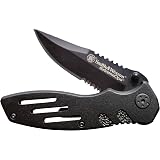
A high-quality cutting tool stands as the most fundamental item in any survival scenario. Its utility spans from preparing firewood and building shelter to crafting other essential tools. While a fixed-blade knife is often preferred for its robustness, a reliable folding knife can serve remarkably well in a minimalist kit, especially when combined with proper bushcraft techniques.
The Swiss Army Knife Ranger Grip, as featured in the video, exemplifies this versatility. Its large locking blade handles primary cutting tasks, while the integrated saw blade can process larger diameter wood, a distinct advantage for shelter construction or fire preparation. Beyond these, the multi-tool’s can opener, bottle opener, wire stripper, screwdrivers, and notably, the reamer/awl, empower users to manipulate materials, repair gear, and craft notches for more advanced wilderness projects.
2. Combustion Device
The ability to create fire is paramount for warmth, cooking, water purification, and signaling. While various ignition sources exist, a ferro rod is highly recommended for its durability and longevity. A 6-inch by half-inch diameter ferro rod, for instance, provides literally thousands of strikes, making it a dependable choice even after years of use.
Pairing a ferro rod with a knife’s saw blade as a striker creates a powerful combination, capable of generating intense sparks to ignite tinder or light a camp stove. The video even highlights an ingenious technique: using a toggle over the saw blade to apply greater pressure, ensuring a more consistent and effective spark, even if the blade doesn’t lock into place. This focus on reliable fire starting is critical for any minimalist bushcraft survival kit.
3. Cordage
Cordage serves as a universal problem-solver in the wilderness, invaluable for shelter building, trapping, repairing gear, and even firecraft. While paracord is a popular choice for its strength and reusability, a 100-foot roll of bank line offers specific advantages for a minimalist setup.
Bank line is often considered a “fire and forget” cordage due to its low cost and ease of use for temporary applications. It excels in tasks like lashing together a tripod, constructing a quick shelter frame, or creating a trot line for fishing. Additionally, it can be used in friction fire sets like a pump drill or bow drill, further expanding its survival utility. The strategic inclusion of this type of cordage prioritizes function over indefinite reusability for essential, single-use survival tasks.
4. Container
A robust container is arguably the “heart” of a survival kit, as it is exceedingly difficult to improvise in the wild and performs numerous critical functions. A metal container, particularly a nesting cup that accommodates other kit items, offers the most versatility. Its metal construction allows it to be placed directly over a fire.
This enables safe boiling of water for purification, cooking foraged foods, or melting snow. Beyond culinary uses, a durable cup is essential for collecting water, gathering wild edibles, or even carrying small tools. Its inherent durability and multi-functionality make it an indispensable component, truly earning its place as the central element of the 10 C’s survival kit.
5. Cover
While often overlooked as a separate item in a compact kit, “cover” primarily refers to the clothing worn on one’s person. Clothing acts as the crucial first line of defense against the elements, providing immediate protection from wind, rain, sun, and cold. Layering appropriate clothing for your environment can be more effective than any single emergency shelter item carried separately.
Beyond personal attire, natural features like a bent-over tree or rock overhangs can serve as foundational elements for a survival shelter. With the addition of natural debris for insulation and waterproofing, a comfortable and protective shelter can be created without carrying bulky tarps or tents in your minimalist setup. This concept emphasizes maximizing natural resources alongside personal preparedness.
6. Candling Device
Visibility in low-light conditions is essential for navigation, performing tasks, and signaling. A candling device, such as a headlamp, offers hands-free illumination, a significant advantage in a survival situation. Modern headlamps offer multiple light settings, including low, medium, and high white light, as well as colored lenses (green/red) for specific tactical uses or to preserve night vision.
A critical survival feature is the strobe function, typically activated by holding the power button for several seconds. This allows the headlamp to serve as a passive signal, attracting attention from search and rescue teams during hours of limited visibility. Some headlamps even feature removable headbands and Velcro adapters, allowing them to be attached directly to hats, further enhancing their hands-free utility and ability to be used as an elevated signal marker.
7. Compass
Maintaining a sense of direction is paramount to avoiding becoming lost and efficiently navigating back to safety. A reliable compass, paired with a simple notebook and pencil, forms a powerful navigation system. This allows individuals to keep a detailed travel log, documenting their direction of travel, pace count, and any notable landmarks.
Even without a pre-existing map, this meticulous record-keeping provides the necessary data to recreate a basic map on the forest floor using cordage and small stakes, ultimately guiding the way back to a starting point. Integrating these seemingly simple items transforms raw data into actionable intelligence, making a compass a core component of effective self-reliance and any robust minimalist bushcraft survival kit.
8. Cotton Cloth
The humble cotton cloth, such as a small OD green bandana, is a master of multi-tasking in a survival scenario. Its applications are nearly endless: it can be used for crushing medicinal plants, as a pot holder for hot containers, or charred to create tinder for flint and steel fire starting. Its high visibility, especially in bright colors, makes it an excellent signaling flag or a waypoint marker during land navigation.
Furthermore, a cotton cloth can serve as a makeshift tourniquet for severe bleeding, a protective layer for gear, a cushion for friction fire sets, or even a basic filtration pre-filter for turbid water. It can also be used to harvest wild edibles or keep essential items clean and dry off the ground. This simple, lightweight item offers an incredible return on investment in terms of utility for any wilderness excursion.
9. Cargo Tape
Few items rival cargo tape (duct tape, Gorilla Tape) for its sheer versatility in improvised repairs and solutions. A small roll of this strong adhesive tape is a must-have for addressing a wide array of field challenges. Its ability to adhere to various surfaces makes it invaluable for repairing torn gear, patching holes in clothing or shelters, or reinforcing makeshift tools.
In a medical emergency, cargo tape can be used in conjunction with cordage to create external sutures, helping to close lacerations and stem blood loss. It can secure bandages, create a splint, or even fashion an improvised container. The strength and adaptability of cargo tape make it an essential tool for problem-solving and improvisation, a cornerstone of any effective survival gear list.
10. Canvas Sail Needle
The final “C” in the 10 C’s survival kit is a canvas sail needle or a sturdy sewing needle. While small, its importance in repairing essential gear or addressing minor injuries cannot be overstated. Often taped to the back of a knife sheath or, in a minimalist cup kit, secured within a roll of bank line, it ensures this critical tool is always at hand.
A needle allows for field repairs of clothing, backpacks, or other fabric-based gear that might become damaged, preventing further deterioration. More critically, it can be used for removing splinters or performing minor wound management, helping to prevent infection in a remote setting. This small but mighty tool ensures personal care and gear integrity are maintained when far from civilization.
Ultimately, a truly effective minimalist bushcraft survival kit, built on the foundation of the 10 C’s, recognizes that survival is not about carrying everything, but carrying the right things. These meticulously chosen items, often nested within a durable cup, empower individuals to face wilderness challenges with confidence and competence. Remember, even with the most advanced kit, fundamental items like a fixed blade knife, reliable cordage, and a dependable way to start a fire should always be carried directly on your person, ready for immediate deployment in any emergency.
Beyond the Cup: Your 10 Cs Bushcraft Questions Answered
What is a minimalist bushcraft survival kit?
A minimalist bushcraft survival kit is a compact set of essential tools designed for wilderness preparedness, allowing you to handle critical situations without being weighed down.
What are the ’10 C’s of Survivability’?
The ’10 C’s of Survivability’ is a framework of ten crucial gear categories that are difficult or impossible to improvise in nature, providing a comprehensive system for wilderness survival.
Why is a nesting cup often used for a minimalist survival kit?
A nesting cup is often used because its metal construction allows it to be placed directly over a fire for boiling water or cooking, and it efficiently stores other kit items inside.
Can you give examples of some items from the ’10 C’s’?
Yes, some examples include a ‘Cutting Tool’ like a multi-tool knife, a ‘Combustion Device’ such as a ferro rod for making fire, and ‘Cordage’ like bank line for shelter building or repairs.