The video above humorously highlights some key components for an emergency survival kit. Preparing for the unexpected is crucial. A well-stocked survival kit can make all the difference. This includes readiness for a natural disaster or a larger crisis. Thinking ahead is smart. Let’s delve deeper into building your ultimate preparedness kit. We will explore essential items beyond the basics.
Understanding Core Survival Needs
Survival hinges on basic human requirements. The video touches on critical timelines. You need air, water, and shelter. Food and protection follow. Knowing these priorities helps build your kit. Prioritize items based on immediate threats. Always consider your local environment.
Air: Breathing Easy in a Crisis
The body can only last three minutes without air. This is a stark reminder. A gas mask is a vital piece of survival gear. It protects against airborne contaminants. Think about smoke, dust, or chemical agents. Not all gas masks are equal. Choose one with proper filters. Ensure it fits correctly. Practice donning it quickly. Replacement filters are also necessary. Consider N95 respirators for less severe threats. These are lighter and more compact.
Water: Your Lifeline in Any Disaster
Three days without water can be deadly. Hydration is non-negotiable for survival. A water filter device is essential. Portable filters remove bacteria and protozoa. Some advanced filters tackle viruses. Water purification tablets are another option. They are lightweight and effective. Always carry multiple ways to purify water. Store clean water if possible. Large containers are ideal for home preparedness. Remember to rotate your stored water. Keep it fresh every six months. A stainless steel water bottle serves many purposes. You can boil water in it. It’s a key item in any bug out bag.
Emergency Food: Sustenance for Survival
The video mentions Spam. It highlights the need for food that lasts. Emergency food must be non-perishable. It should be high in calories. MREs (Meals Ready-to-Eat) are excellent. They offer balanced nutrition. Freeze-dried meals are another good choice. They are lightweight and last for years. Canned goods like Spam are budget-friendly. They offer a good shelf life. Rotate your food supply regularly. An ideal survival kit includes a 3-day supply per person. Extend this to 30 days for longer-term readiness. Include energy bars and dried fruits. Nuts and seeds provide vital fats. Don’t forget a can opener if you have canned items.
Protection and Defense: Staying Safe
Personal safety is paramount. The video suggests armor plate. Improvised armor from pots and pans is an idea. Real personal protective equipment offers better defense. A sturdy knife is invaluable. It serves many purposes. Consider a multi-tool for versatility. Self-defense items are also important. These vary based on local laws. Situational awareness is your first line of defense. Plan escape routes. Know safe zones. A sturdy pair of work gloves protects your hands. Safety glasses shield your eyes. These are basic protective measures. They belong in your emergency kit.
First Aid: Healing Wounds in a Crisis
Massive bleeding needs immediate attention. A tourniquet is a life-saving device. Know how to use it properly. Get training if possible. Your first aid kit needs more than just a tourniquet. Include bandages and antiseptic wipes. Pain relievers are important. Any personal medications are critical. Add medical tape and gauze. Scissors and tweezers are useful tools. A CPR mask can be vital. Keep it easily accessible. Refill supplies as you use them. A well-stocked kit addresses common injuries. It handles severe trauma too.
Essential Tools and Illumination
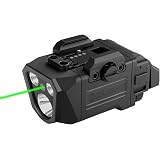
A Swiss army knife is a classic. Its many attachments are useful. A multi-tool provides similar functionality. A fire tool ensures warmth. It allows cooking food. Ferro rods and lighters are key fire starters. Keep waterproof matches handy. A battery torch sheds light in darkness. Headlamps are even better. They keep your hands free. Always carry extra batteries. Solar-powered lanterns offer sustainable light. A hand-crank radio keeps you informed. It provides crucial emergency broadcasts.
Shelter and Specialized Gear
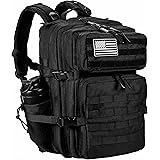
Staying warm and dry is critical. A fire tool helps regulate temperature. Beyond that, consider a survival blanket. A tarp can create an improvised shelter. A lightweight sleeping bag offers warmth. The hazmat suit mentioned is more specialized. It protects against chemical or biological threats. Most basic survival kits do not include one. If your situation demands it, research proper usage. Have a strong, comfortable backpack. This is your bug out bag. It carries all your survival essentials. It lets you move quickly if needed.
Beyond the Kit: The Importance of Planning
The video jokingly mentions “Plan D and Picardy.” This highlights a real point. Always have backup plans. Practice using your survival gear. Know your local area. Identify potential threats. Develop a family emergency plan. Designate meeting points. Establish communication methods. Share your plans with loved ones. A physical survival kit is important. Your knowledge and mindset are equally vital. Stay informed and be prepared. Your readiness is your best defense.
Surviving the Fallout: Your Kit Questions
What is a survival kit used for?
A survival kit helps you prepare for unexpected situations like natural disasters or other crises. It contains essential items to help you stay safe and meet your basic needs.
What are the most important things a person needs to survive?
The most important things for survival are air, water, and shelter, followed by food and protection. Prioritizing these basic human requirements helps in building an effective kit.
Why is it important to have water in a survival kit?
Water is critically important because a person can only survive about three days without it. Your kit should include ways to purify water, like filters or tablets, and possibly stored clean water.
What types of food are best for a survival kit?
The best survival foods are non-perishable, high in calories, and have a long shelf life, such as MREs, freeze-dried meals, canned goods, energy bars, and dried fruits.
What basic tools are helpful to include in a survival kit?
Basic tools like a sturdy knife or multi-tool, a fire starter, a flashlight or headlamp with extra batteries, and a comprehensive first aid kit are very helpful for addressing common needs.