Building a robust survival kit is a foundational aspect of preparedness, enabling individuals to face unforeseen challenges with confidence. While the ideal kit often depends on specific needs and environments, the fundamental principles of self-reliance and redundancy remain constant. The accompanying video provides an insightful look into assembling a comprehensive **titanium survival kit**, showcasing how a durable container can house an array of essential items. While the video features a premium titanium lunch box, the core concept of creating a well-stocked survival solution can be adapted to various budgets and containers. This article will delve deeper into the strategic selection and utility of each component, offering a more extensive analysis for those looking to optimize their own **long-term survival kit**.
The Foundation: Selecting Your Survival Kit Container
The container for a survival kit is more than just a box; it is an integral piece of gear that dictates capacity, durability, and even functionality. In the video, a titanium lunch box is utilized, a choice that offers several distinct advantages. Titanium, known for its exceptional strength-to-weight ratio, ensures the kit remains lightweight despite its robust nature. Furthermore, its non-corrosive properties guarantee longevity, even in harsh environmental conditions. The ability of such a metal container to be placed directly on a fire for boiling water or cooking is a significant asset in a survival scenario, adding a crucial layer of utility that plastic alternatives cannot provide.
However, it is understood that titanium is not always a financially accessible option. Consideration should be given to more budget-friendly alternatives that still offer practicality. A sturdy plastic bento box, a metal military surplus tin, or even a robust camping pot can serve a similar purpose as a basic container. The key is to select a vessel that can withstand impacts, protect its contents from the elements, and ideally, be suitable for some form of food preparation or water purification through heat.
Essential Personal Protection & Comfort
Defense Against Pests: The Crucial Bug Net
Often underestimated, a bug net is a critically important component of any **survival kit**, particularly in areas prone to insects. The video highlights its necessity, and this cannot be overstated. Insects, beyond being a nuisance, can transmit serious diseases such as West Nile virus, Lyme disease, and malaria, which can incapacitate an individual when medical help is unavailable. Moreover, the constant irritation from bites can disrupt sleep, leading to fatigue, impaired judgment, and a significant decline in morale. A simple bug net, ideally one that covers the head and neck, provides a crucial barrier, ensuring restful sleep and protecting against potential health risks. Its minimal weight and compact size make it an indispensable item.
Versatile Fasteners: Nails for Immediate Needs
The inclusion of a handful of nails in a survival kit may seem unconventional to some; however, their versatility in a wilderness setting is remarkable. While the video briefly mentions their use for making shelter, their applications extend much further. Nails can be utilized for temporary repairs to gear, securing tarps or natural materials for shelter construction, or even as improvised tools or fishing weights if other options are exhausted. A selection of various sizes can address a wider array of needs, demonstrating that even common hardware can become invaluable in an emergency.
Cordage and Multi-Purpose Tools: Foundations of Utility
The Unsung Hero: Tarred Bank Line
Cordage is a universal survival item, and the choice of tarred bank line, as featured in the kit, is particularly astute. Approximately 25 feet of this material is included, providing ample length for numerous tasks. Bank line is renowned for its strength, durability, and resistance to rot and moisture due to its tarred coating. Its relatively thin diameter allows for a significant amount to be stored in a small space, a key consideration for efficient kit packing. Its uses are extensive: securing shelter components, creating snares or traps for small game, repairing clothing or gear, creating a makeshift fishing line, or even as a friction saw for certain materials. The ability to perform various lashing and tying tasks makes bank line an indispensable item for wilderness survival.
Ignition and Magnification: The Power of a Lens
A magnifying glass, beyond its obvious use for close inspection, serves as a vital component for fire starting. The principle involves concentrating the sun’s rays onto a combustible material, such as tinder, to achieve ignition. This method is silent, requires no fuel, and is virtually limitless as long as sunlight is present. Furthermore, a magnifying glass can be used for inspecting small wounds, identifying plant species, or even removing splinters, thereby adding a layer of medical utility to its primary fire-starting function. Its dual-purpose nature aligns perfectly with the minimalist ethos often adopted in survival preparedness.
Sustenance: Fishing and Fire Starting for Long-Term Survival
Assembling a Comprehensive Fishing Kit
For long-term survival scenarios, the ability to procure food independently is paramount. A well-stocked fishing kit, as demonstrated in the video, significantly enhances these capabilities. This particular kit includes two spools of line, with one specifically identified as 100 yards of 10-pound line, offering a good balance of strength and versatility. The inclusion of approximately 30 hooks of various sizes is a strategic choice; small hooks can catch small fish, which may be more abundant, while larger hooks are reserved for bigger game. Curly-tail grubs with jig heads are also present, providing effective lures for attracting a variety of fish species. Additionally, seven barrel weights and a few barrel swivels ensure that bait can be presented at various depths and that line twist is minimized. This comprehensive array allows for adaptability to different fishing environments and target species, thereby maximizing chances of success.
Redundant Fire Starters: Lighter, Wax Twine, Candles, and Ferro Rods
The importance of fire in a survival situation cannot be overstated; it provides warmth, cooks food, purifies water, signals for help, and offers psychological comfort. Consequently, redundancy in fire-starting methods is crucial. The kit features multiple ignition sources: a lighter, three wax twine fire starters, two thick birthday candles, and a ferro rod integrated with a knife. Each method offers distinct advantages:
- Lighter: Convenient and easy to use, though susceptible to moisture and fuel depletion.
- Wax Twine Fire Starters: Designed to ignite quickly and burn for an extended period, even in damp conditions, making them ideal for challenging environments.
- Candles: Provide a sustained flame for igniting tinder, can extend the life of smaller fires, and offer temporary illumination.
- Ferro Rod: Extremely reliable, waterproof, and capable of producing sparks at very high temperatures, making it effective even when other methods fail.
This layered approach ensures that fire can be established under almost any circumstance, a critical aspect of any effective **survival kit**.
Illumination and Communication: Critical for Safety
Advanced Illumination: The Forto Spotlight Lantern
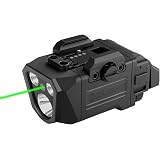
Effective illumination is indispensable for nighttime navigation, camp activities, and emergency signaling. The Forto spotlight lantern featured in the kit represents a high-performance solution. Its specifications are impressive: a staggering 5,000 lumens on turbo mode, providing an illumination range of 1,400 feet. This power output allows for detailed area scanning and long-distance signaling. Battery life is also robust, with up to 21 hours on spotlight mode and 120 hours on lantern mode, making it suitable for prolonged use. Furthermore, an IXP8 waterproof rating means it can withstand submersion up to 40 feet, ensuring functionality in severe weather or accidental drops. The easy-find light bar, boasting a 100,000-hour lifespan, offers a constant, low-power glow for locating the light in the dark, a small but significant feature for emergency preparedness. These features collectively contribute to enhanced safety and operational capability during hours of darkness.
Signaling for Help: The Simple Yet Effective Whistle
A whistle, though often overlooked, is one of the most effective and energy-efficient signaling devices available in a survival kit. Its loud, piercing sound can travel much further than the human voice, especially in dense foliage or over long distances. Repeated blasts, often in a pattern of three, constitute a universal distress signal. Its minimal weight and compact size make it an ideal inclusion, providing a crucial tool for attracting attention from rescuers without expending significant physical energy.
Practical Tools and Comfort: Beyond Basic Survival
Cutting and Sharpening: The Holtzman Survival Gorilla Knife
A reliable cutting tool is paramount in any **wilderness survival kit**. The Holtzman Survival Gorilla Knife, as presented, fulfills this need with additional features. Its primary function as a knife is self-evident for tasks such as preparing kindling, processing food, and cutting cordage. The integrated diamond sharpener is a critical addition, ensuring that the blade can be maintained in optimal condition throughout extended use. Furthermore, the inclusion of a ferro rod on the knife sheath provides another redundant fire-starting method, making this single item a multi-functional survival asset. The ability to keep tools sharp is often underestimated but is vital for their long-term effectiveness.
Emergency Shelter and Warmth: Survival Blankets
Hypothermia is a significant threat in survival situations, even in moderate climates. Survival blankets, often made of reflective Mylar, are lightweight, compact, and highly effective at retaining body heat. The inclusion of two such blankets in this kit offers versatility: one can be used for personal warmth, while the other can be fashioned into an improvised shelter or used to signal for help due to its reflective surface. Their ability to serve multiple purposes—shelter, warmth, and signaling—makes them a fundamental component for mitigating environmental risks and enhancing survivability. These are generally considered indispensable for any serious **outdoor preparedness** setup.
Water Management and Storage: Quart-Size Freezer Bags
Maintaining hydration is critical for survival, and the ability to collect, store, and transport water is essential. Two quart-size freezer bags, while simple, offer versatile solutions for water management. They can be used for collecting rainwater, carrying purified water, or even for improvised storage of foraged items. Beyond water, these bags are excellent for protecting sensitive gear from moisture, for basic hygiene, or for collecting materials. Their minimal weight and flexible nature make them easy to pack and deploy in various scenarios where water collection or storage becomes a priority.
Mental Fortitude: The Unconventional Addition of Dice
While often overlooked in survival preparedness, psychological well-being is as crucial as physical needs, especially in **long-term survival** scenarios. The inclusion of six small dice in this kit is an innovative and insightful addition. Prolonged periods of boredom, isolation, and stress can severely impact morale and decision-making capabilities. Simple games, such as Farkle or other dice-based activities, can provide a much-needed mental diversion, offering a sense of normalcy and entertainment. This can help combat the psychological toll of a survival situation, thereby maintaining mental fortitude and a positive outlook, which are ultimately vital for continued resilience.
This comprehensive approach to the **titanium survival kit** underscores the importance of thoughtful selection and redundancy in emergency preparedness. Whether the goal is a short-term emergency response or sustained wilderness living, a well-curated collection of tools and resources significantly enhances the chances of positive outcomes.
Survival Forged in Titanium: Your Questions Answered
What is a survival kit and why do I need one?
A survival kit is a collection of essential items designed to help you face unexpected challenges and stay safe in an emergency. It helps you prepare for situations where basic necessities might not be available.
What kind of container should I use for my survival kit?
A good survival kit container should be durable, protect its contents, and ideally be suitable for tasks like boiling water or cooking. Options range from lightweight titanium boxes to more budget-friendly sturdy plastic containers or metal tins.
Why is it important to have multiple ways to start a fire in a survival kit?
Having redundant fire starters is crucial because fire provides warmth, cooks food, purifies water, and offers psychological comfort. Multiple methods ensure you can make a fire even if one source is lost or fails.
What is the purpose of a bug net in a survival kit?
A bug net is used to protect you from insects, which can transmit diseases like West Nile virus or malaria. It helps ensure restful sleep and guards against potential health risks in bug-prone areas.